
Vaginal tightening, or vaginoplasty, is the general name for the operations that correct vaginal laxity, deformities and prolapse and aim to restore normal sexual function. It is important to identify the specific vaginal problems; the possible issues include a feeling of looseness during intercourse, excessive wetness, sounds during intercourse, burning, bleeding, deformity of the outer part of the vagina and poorly healed episiotomy sutures. Once the problem is identified, the appropriate treatment method is determined.
Table of Contents
For patients who feel looseness during intercourse, laser vaginal tightening is applied in cases of mild laxity, while vaginal tightening surgery is performed when the laxity is more pronounced. In those with excessive wetness, it must be determined whether the cause is a vaginal infection or genuinely excessive wetness, and treatment is given accordingly. When there are excessive sounds during intercourse, the problem can be resolved with laser treatment or vaginal tightening surgery.
For burning during intercourse, vaginal infections may be the cause in younger patients, treated with antibiotics and vaginal suppositories, while at older ages hormone-containing suppositories and creams are used. Laser treatment can also be beneficial in this situation.
Bleeding during intercourse is normal right after a period; however, fresh bleeding must be taken seriously and evaluated with an examination. The cause of the bleeding is identified and the appropriate treatment is applied. For those with deformity of the outer part of the vagina, correction is performed with perineoplasty surgery. Perineoplasty is also used for poorly healed episiotomy sutures.
Vaginal tightening is one of the most frequently performed procedures in cosmetic gynecology and can be carried out with several techniques. Vaginal rejuvenation, in turn, covers laser and radiofrequency treatments performed to restore a vagina whose structure has changed through aging or childbirth.
Vaginal tightening operations can be performed under local or general anesthesia, and depending on the patient's condition, discharge is possible within a few hours. After the operation, patients can return to their normal lives within a few days. However, the time before intercourse can be resumed varies between 4 and 6 weeks, depending on the type of surgery and the patient's condition.
Vaginal rejuvenation treatment involves minimally invasive procedures performed to firm and rejuvenate the tissues inside the vagina. This treatment offers short procedure times and rapid recovery. Laser and radiofrequency applications encourage restructuring of the vaginal tissues and improve the elasticity and function of the vagina.
Both procedures help improve patients' quality of life and sexual health. Vaginal tightening and vaginal rejuvenation treatments are known as methods that correct postpartum sagging and laxity, improve sexual function and boost self-confidence.
The appropriate treatment method and process are determined according to the patient's complaints and needs. It is therefore important to consult a specialist to identify the most suitable method and discuss your personal expectations. After examining the patient and assessing the causes of the problems, specialists recommend the most appropriate treatment.
Vaginal Tightening Methods
- Fractional Laser Vaginal Tightening
- Vaginal Tightening Surgery
- Vaginal Rugae Restoration with Radiofrequency (Ellman Surgitron®)
- Radiofrequency Vaginal Tightening (ThermiVa)
- Vaginal Tightening at Home
1- Fractional Laser Vaginal Tightening
The fractional laser method is an important treatment option preferred in cases of mild vaginal laxity. The fractional laser is an advanced technology used to tighten the vagina. The laser creates controlled, pinpoint micro-injuries 0.1 micron deep in the vaginal mucosa. As these micro-injuries are repaired together with the neighboring cells, the number of fibroblasts increases. The fibroblasts secrete collagen, creating firmer, healthier tissue. Before the procedure, the vagina is numbed with creams, and the application takes 10-15 minutes in the gynecological examination position. To allow healing, avoiding intercourse for 1 week after the procedure is recommended. Dark-colored vaginal discharge may be seen during recovery. In cases of severe vaginal laxity, the tightening effect may not be sufficient. For detailed information, see our laser vaginal tightening page.

2- Vaginal Tightening Surgery
If the vaginal laxity is significant, radiofrequency and laser methods may fall short. In that case, vaginal tightening surgery is performed. Vaginal tightening surgery is a same-day, safe procedure with a low risk of complications. You can have the operation in the morning and return home in the evening. Although vaginal tightening surgery can be performed under local anesthesia, this may not be comfortable for the patient; spinal anesthesia is therefore usually preferred, and general anesthesia more rarely. After 2-3 days of rest at home, you can return to work. While the stitches heal, avoiding intercourse for 40 days is recommended.
3- Vaginal Rugae Restoration with Radiofrequency (Ellman Surgitron®)
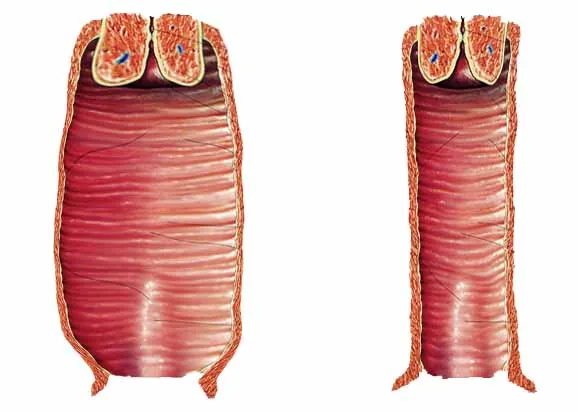
The walls of the vaginal canal contain skin folds called rugae. Lubricating fluid is secreted from between these folds during intercourse. By creating a textured surface, the folds contribute to greater pleasure during intercourse. During childbirth, the rugae expand to allow the baby to pass comfortably. With advancing age and the effects of childbirth, these folds can diminish, and the vagina may come to resemble a smooth tube. With the Ellman Surgitron radiofrequency method, these folds can be recreated. The aim of the method is to restore the folded structure. The radiofrequency device is applied to the vaginal walls, prompting the folds to form again. As a result, the vaginal tissue becomes younger, more secretory and tighter. These changes significantly increase the pleasure derived from intercourse. Vaginal rugae restoration with radiofrequency takes about 15-20 minutes and can be performed in an office setting. Before the procedure, the vagina is numbed with anesthetic creams so that no pain is felt. After the radiofrequency application, the patient can return to her normal life. Intercourse is not recommended for 7 days after the procedure. During this period bathing is allowed, and an increase in discharge may be seen as part of the healing process. This is normal.
4- Radiofrequency Vaginal Tightening (ThermiVa)
If the vaginal laxity is mild, non-surgical vaginal tightening can be performed with the ThermiVa radiofrequency method. It uses the deep-tissue heating effect of radiofrequency. The vaginal tissue responds to the heat with an increase in fibroblasts. It has no tissue-burning effect; the newly formed fibroblasts trigger fresh collagen production, the vagina tightens somewhat and pressure increases. Gradual tightening is achieved with weekly sessions, each lasting 30 minutes. Since the procedure is painless by nature, no anesthesia is needed and no pain is felt. The desired results can usually be achieved with a course of 3-4 sessions. This method is recommended for women who have not given birth and have mild vaginal laxity.
The ThermiVa radiofrequency method also helps relieve vaginal dryness and pain experienced during intercourse. By restructuring the vaginal tissue and boosting collagen production, it makes the vaginal walls more elastic and supple. This contributes to greater pleasure during intercourse and better harmony between partners.
Because the ThermiVa radiofrequency method is non-surgical and safe, patients can return to their daily lives immediately after the procedure. One important point to observe during recovery is to avoid intercourse for the first week. This allows time for the vaginal tissue to heal and collagen production to increase.
Vaginal tightening can thus be achieved without any surgical intervention, in a short time and with a rapid recovery. Radiofrequency methods deliver successful results both in restoring the rugae of the vaginal walls and in vaginal tightening itself. However, since every woman's situation is different, it is important to consult a gynecology specialist to determine the most suitable method. Specialists assess each patient's condition and select the most appropriate treatment, helping to achieve the best results.

The methods I described above, Vaginal Rugae Restoration with Radiofrequency (Ellman Surgitron®), Radiofrequency Vaginal Tightening (ThermiVa) and Fractional Laser Vaginal Tightening, are also known as NON-SURGICAL VAGINAL TIGHTENING.
5- Vaginal Tightening at Home
Practicing Kegel exercises regularly can strengthen the vaginal muscles and teach you how to control them. This allows you to partially tighten the vagina during intercourse.
I would also like to share here some home vaginal tightening methods I have come across on the internet.
Vaginal Tightening with Lemon
According to the recipe, the lemon must be organic and the lemon juice must be strained. During the application, you are supposed to gently rub the lemon juice around the vagina; this is claimed to greatly reduce the burning sensation. The application is supposed to be repeated continuously.
As a doctor with 20 years of experience, let me state plainly: the vagina cannot be tightened with lemon.
Vaginal Tightening with Mint
The recipe goes like this: put water and mint leaves in a pot and boil them. Let it cool for a while, then pour the water into a basin and sit over the basin for 15 minutes.
The vagina absolutely cannot be tightened with mint.
Vaginal Tightening with the Dove Tree Herb
This recipe is as follows: grind the herb into powder and apply it to the genital area once a week.
Applying unfamiliar herbs to the vagina can cause serious allergic reactions, irritation and ulcerative bleeding. Please do not even attempt it.
Vaginal Tightening with Gooseberry
In this recipe, it is said to be very important that the berries used are gooseberries. You are supposed to boil the berries in water, strain the liquid into a bottle, and apply this solution to your vagina every day before showering. The solution is claimed to increase the sensitivity of the vagina and restore its elasticity.
If you try this method, you can disrupt the pH balance of the vagina and cause serious vaginal infections. The sugar in the berries creates an ideal environment for fungal infections. Please do not try it.
In conclusion, tightening the vagina is not a simple matter. Even radiofrequency and laser treatment are sometimes not enough to tighten the vagina; achieving vaginal tightening with herbs, fruits, tightening creams or tightening sticks is impossible. Relying on such methods is nothing but a waste of time. Moreover, these interventions can cause vaginal infections and ulcers of the vaginal mucosa, leaving you with conditions that are difficult to treat.
Vaginal Tightening Cost
Vaginal tightening prices vary according to the chosen method. The fee for laser vaginal tightening is set per session. The cost of vaginal tightening surgery depends on the hospital where the operation will be performed and on any other procedures accompanying it. At the practice of Dr. Eser Ağar we do not keep our prices secret; we simply do not publish pricing on the website due to Ministry of Health rules. Patients who would like pricing information can call us at 0 212 728 63 61,
or send a message to our WhatsApp line at 0 505 260 72 38.
To meet Dr. Eser Ağar in person and have an examination, you can use our Appointment Module.
Ten years ago, even vaginal tightening operations were considered unnecessary by doctors. Yet women are troubled by vaginal laxity and the reduced pleasure they experience during intercourse. Today, vaginal tightening is attracting ever more attention. In this context, laser vaginal tightening is used for mild laxity, and vaginal tightening surgery for more significant laxity.
Let us determine the vaginal tightening method best suited to you together. Contact us for an examination and detailed information.
Book via WhatsApp Call Now